
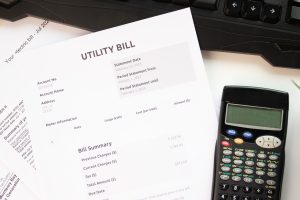
As temperatures drop, keeping your home comfortable can increase energy costs, leaving many homeowners seeking ways to maintain warmth without overspending. Minor adjustments to heating systems, insulation, and airflow can make a noticeable difference in electricity use. Shenandoah Air offers energy-efficient units, professional maintenance, and duct cleaning services that support these efforts and contribute to lower utility bills. By combining practical winter energy-saving tips with the right equipment and regular upkeep, homeowners can enjoy a cozier home while managing their energy consumption more effectively.
How Cold Weather Impacts Home Energy Consumption
When winter arrives, energy consumption often increases as homeowners strive to maintain a comfortable indoor temperature. Older heating systems, insufficient insulation, extended lighting, and household habits can all contribute to higher energy bills. Recognizing these factors enables homeowners to make practical adjustments such as upgrading to energy-efficient units, scheduling regular maintenance, and performing duct cleaning to reduce energy waste and lower their utility costs.
Practical Tips to Lower Your Electric Bill in Winter
Managing energy use during the colder months can significantly reduce your utility bills. These energy efficiency tips for winter can help homeowners reduce energy consumption, improve comfort, and lower utility bills.
Optimize Heating System Efficiency
Your heating system provides winter comfort, but can drive up energy costs if it isn’t running efficiently. Regular maintenance ensures that furnaces, heat pumps, and HVAC units operate smoothly, preventing minor issues from escalating into larger energy drains and higher utility bills. Upgrading to a modern, energy-efficient system can further reduce power usage while maintaining warmth, delivering consistent comfort at lower operating costs.
Insulation and Draft Prevention
Air leaks around doors, windows, and other openings allow warm air to escape, causing your heating system to work harder and increasing your energy costs. Sealing these gaps with weather stripping, caulk, or door sweeps can reduce unwanted drafts and improve comfort. Upgrading insulation in attics, walls, and floors adds another layer of protection, creating a thermal barrier that keeps heat inside and cold air out. Proper insulation not only reduces energy waste but also helps your heating system operate more efficiently, leading to lower utility bills and a cozier home throughout winter.
Smart Thermostat Strategies
A programmable or smart thermostat enables homeowners to manage indoor temperatures more efficiently, reducing energy consumption without compromising comfort. These devices can adjust heating automatically based on your schedule, lowering the heat when rooms are unoccupied or during nighttime hours, then warming the space just before you return or wake. Setting a few degrees lower while sleeping or away can noticeably reduce energy consumption over time. Smart thermostats also provide insights into usage patterns, enabling you to make informed decisions about heating needs and further enhance the efficiency of energy-efficient systems.
Appliance and Lighting Efficiency
Appliances and lighting can significantly contribute to winter energy use if not managed carefully. Unplugging devices when they’re not in use prevents unnecessary power draw, while upgrading older appliances to energy-efficient models reduces electricity consumption. Replacing traditional bulbs with LED lighting can lower energy use and maintenance costs, as LEDs last much longer and use a fraction of the power. Taking advantage of natural daylight whenever possible not only brightens your home but also reduces the need for artificial lighting. Combined with efficient heating systems and regular maintenance, these small changes help homeowners keep energy use and utility bills under control throughout the winter months.
Extra Energy-Saving Tricks
In addition to system upgrades, small energy-saving tips for winter can further reduce heating costs. Wearing warm clothing and using blankets indoors helps lessen the need for higher thermostat settings, thereby lowering heating costs. Regular duct cleaning also supports efficiency by keeping airflow smooth and unobstructed, allowing your heating system to deliver warmth more effectively without overworking.
Take the Next Step Toward Lower Heating Costs
By implementing these energy-saving tips, homeowners can enjoy a warmer, more efficient home while keeping their winter energy bills in check. Upgrading to energy-efficient heating units and scheduling professional maintenance or duct cleaning with Shenandoah Air can further improve system performance and reduce energy waste. To explore options for enhancing your home’s efficiency and lowering heating costs, contact us at Shenandoah Air Conditioning & Heating today.
Image source: Shutterstock / Yta23